
Athlete’s Foot: A Quick Guide and What To Do
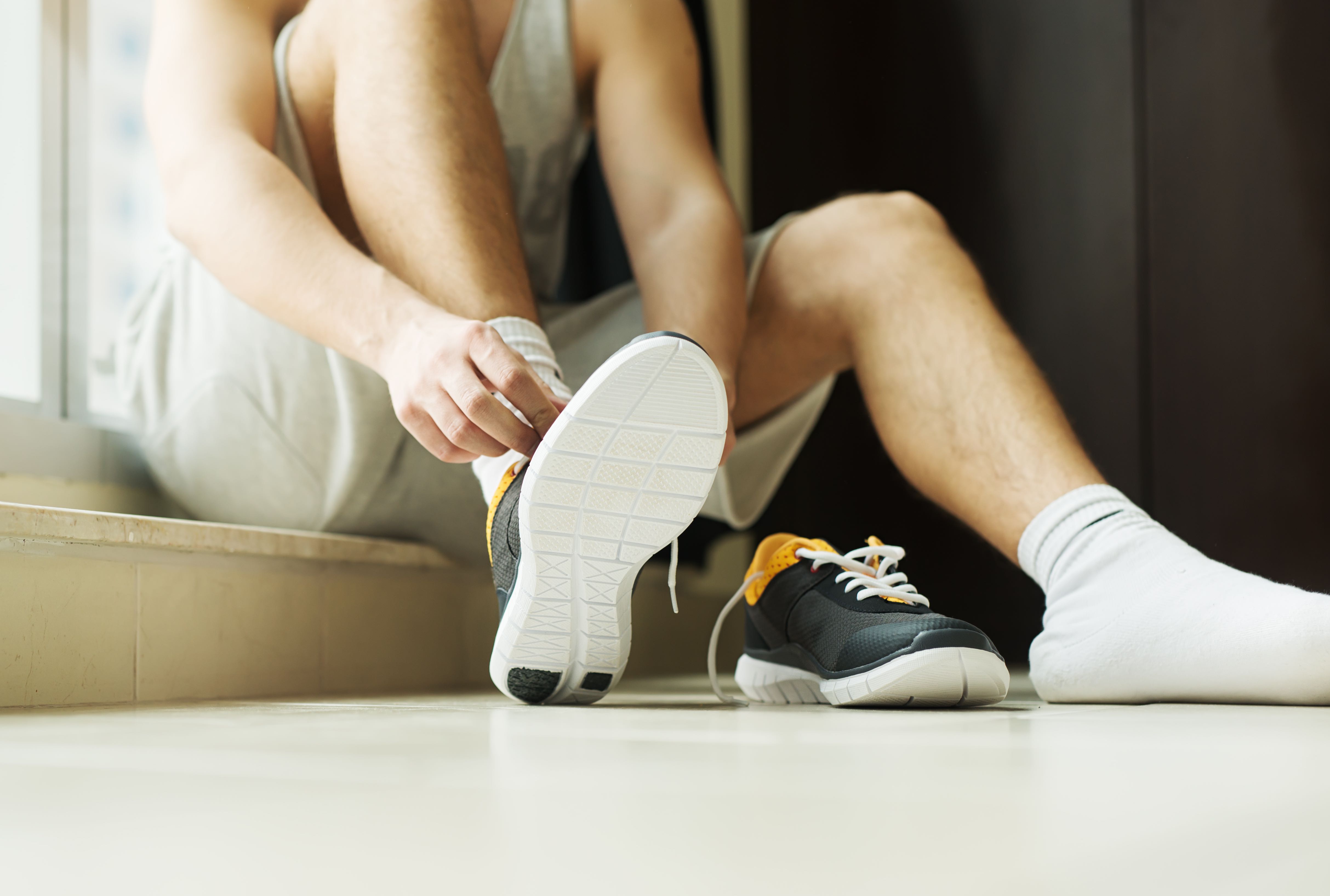
Perhaps one of the most common foot problems that people get is Athlete’s Foot. It can be characterised by itchy patches of white between the toes and can be incredibly irritating. These patches may become inflamed and sore if not treated properly and it’s not unusual to find the skin cracking and for there to be some bleeding.
While not a life-threatening condition, it can spread from your toes across your feet and become really uncomfortable. The good news is there are plenty of treatments in the form or creams, sprays and powders out there that can soothe the problem and get rid of your Athlete’s Foot, many of them available over the counter without prescription. If the condition is particularly severe or persistent, then it is worthwhile talking to a podiatrist or your doctor about it.
What is Athlete’s Foot?
The medical term for it is tinea pedis and it’s one of the most common foot infections on the planet. It’s caused by fungi known as dermatophytes which love warm and humid environments – that’s why the condition often appears between the toes first of all. If athlete’s foot is left untreated, you may also have problems with yeast and bacteria and these can make your feet smell.
The first thing that people notice is the unpleasant itching sensation between their toes. It can also be quite difficult to get rid of athlete’s foot and treatment may need to be used on a regular basis until you are clear. If you have a condition such as diabetes, you should always consult with your podiatrist or doctor just to be on the safe side.
Preventing and Treating Athlete’s Foot
The trouble with this infection is that it is highly contagious. We can catch it from the floor in changing rooms and swimming baths or even by sharing socks, shoes and towels that have previously been worn or used by someone else.
Because the fungus thrives in warm, damp places, you can be more susceptible if you have your shoes or socks on for long periods of time or simply have sweaty feet. If you have an injury to your nails or a slight cut in the skin it can also make you more susceptible when you are exposed to the fungi.
To prevent or get rid of athlete’s foot, there are a number of things you can do:
- First, you should wear clean socks every day.
- You should wash your feet regularly and make sure the space between your toes is dry.
- If you are prone to athlete’s foot, use a separate towel for your feet and make sure you give it a hot wash frequently.
- Try to avoid walking too much in bare feet, especially in communal areas. It’s worthwhile investing in a pair of flip flops that you can use in showers and around pool sides.
- Try to avoid wearing the same pair of shoes and socks for more than two days in a row and try to keep to footwear that gives your feet a good deal of air.
If you do find that you have an itch between your toes and it could be athlete’s foot, don’t scratch at the affected area as this can make things worse and cause the infection to spread. Instead, pay a visit to your podiatrist, local pharmacy or GP and get the appropriate treatment.
Visit Our Foot Care Clinic
Maintaining good foot health is key for a number of reasons. At the Beauchamp Foot Care, we offer a broad range of advice and help concerning conditions that affect the feet. With qualified podiatrists on site six days a week at our London clinic you can be sure that your feet remain in tip top condition at all times. Contact us today to book an appointment.
All information on this website is for general guidance only and is not intended as a substitute for the personal medical advice of health care professionals or your own doctor.